What to Put in Your Wildfire Go-Bag
5 min read
A go-bag is not a camping bag, a bug-out bag, or a survival kit for an apocalypse. It's the bag you grab when you receive evacuation orders and have to leave your house. In a wildfire, that window can close fast. Sometimes you have a matter of minutes, not hours. Smoke makes it hard to see, roads fill up, and stress is building. The goal is to not have to think.
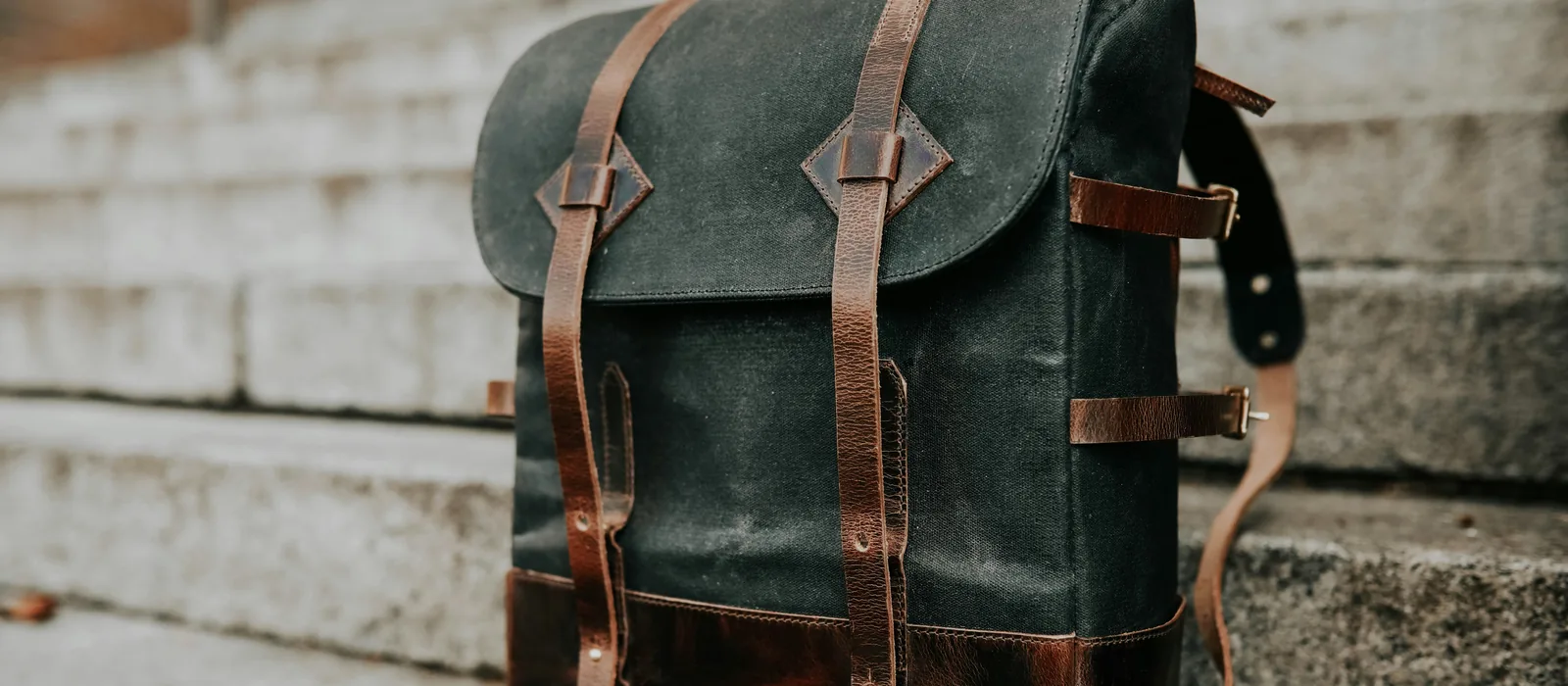
That means your go-bag has to be ready before anything happens. It should be packed, kept in a spot everyone in your household knows, and easy to carry to the car. If you have kids, a second bag or backpack for them to carry helps. If you have pets, their supplies deserve their own bag or a pouch clipped to yours.
The Core Contents
Documents and money. Bring the originals or copies of your ID, passport, insurance cards, and any prescription information, along with a small amount of cash. Digital copies backed up somewhere you can access from any phone are worth having too, but paper copies in a waterproof sleeve will travel with you no matter what. If you keep nothing else together, keep your ID and insurance information in the same easy-to-grab spot. Both matter for very different reasons: your ID gets you through the practical parts of evacuating, like a hotel, a shelter, or your bank, and your insurance information starts your recovery once it's safe to think about that.
Water and food. Pack enough water for at least 72 hours (the standard guidance is one gallon per person per day) along with shelf-stable food that doesn't need cooking, like bars, nuts, jerky, or pouches. Swap these out every year so they don't expire on you. Evacuations often come with traffic, and once you reach a safe destination, you may want to settle and rest before heading out to shop or eat. Snackable food the whole family actually likes is worth adding to the mix for that reason.
Medications and health supplies. Include a week's supply of any prescription medications, more if your prescriptions allow it, along with a basic first aid kit and a backup pair of glasses or contacts if you wear them. This is the category most people underpack, and the one they regret most.
Communication and power. A portable phone charger and the cables you actually use will matter more than you'd expect. A battery-powered or hand-crank radio is worth including too, since cell service can go down and you'll want to hear evacuation updates. It also helps to write down a list of phone numbers rather than relying only on what's stored in your phone, so you can make calls from any device.
Clothing and comfort. Pack one change of clothes per person, weather-appropriate, along with sturdy shoes and work gloves. A dust mask or N95 belongs in here too. Smoke from wildfires is genuinely harmful, not just unpleasant.
Shelter basics. A mylar emergency blanket takes almost no space and matters a lot if you end up waiting somewhere cold. A small flashlight with extra batteries, or a headlamp, rounds this out.
The Details That Actually Matter
For the bag itself, a backpack beats a duffel because it keeps both hands free. You want something you could carry for a quarter mile if you had to.
Where you keep it matters just as much as what's in it. Store it near the door you'd leave from most naturally, or in the garage or car if that works better for your household. Avoid tucking it away in a closet you'd have to dig through.
If you have pets, keep their leashes, a carrier if needed, a few days of food, a water bowl, and their vaccination records together and easy to reach. Trying to find a carrier in the basement when the sky is orange is not where you want to be.
Review your go-bag once a year. Check expiration dates, swap out clothes if sizes or seasons have changed, and make sure the phone charger still works with your current phone.
What It's For
A go-bag buys you time and reduces the number of decisions you have to make in the moment. You don't have to figure out what to grab or search for things. You pick up the bag, and you go.
For most households, one focused afternoon is enough to get this done. If you work through it with neighbors, you can split the bulk buying (water, shelf-stable food, masks) and check each other's work. That's the version that actually gets finished.